Request a Consultation
Find out how Mackenzie Dental Centre can help you achieve your greatest smile!

Mackenzie Dental Centre is a leading emergency dental practice located in Vaughan that has successfully served thousands of patients across Woodbridge, Maple, Kleinburg, Concord, Thornhill and the rest of Vaughan. With over 30 years of experience, Dr. Lloyd Pedvis and his team offer 24-hour emergency dentistry services. We offer numerous emergency procedures, including same-day crowns, treatment for tooth infections, chipped tooth repair and more.
We offer a state-of-the-art in-house dental lab, high-end dental technology and diagnostic tools, personalized consultations, customized treatment plans, follow-ups and maintenance plans, sedation dentistry options and high-quality materials for your comfort.
Request a Consultation
Find out how Mackenzie Dental Centre can help you achieve your greatest smile!
While preventing dental injuries is key to health and safety, dental emergencies do happen and are often unavoidable. When emergencies happen, contact the trusted dentist in Woodbridge for prompt and effective care at Mackenzie Dental Centre. With children in particular, a sense of panic can set in, and immediate emergency service is desirable. The important thing is to seek professional services from a dentist who specializes. For 24 hour emergency dental services in Woodbrdige Vaughan, the Mackenzie Dental Centre provides prompt, professional dentistry for emergencies of all types, and for the entire family.
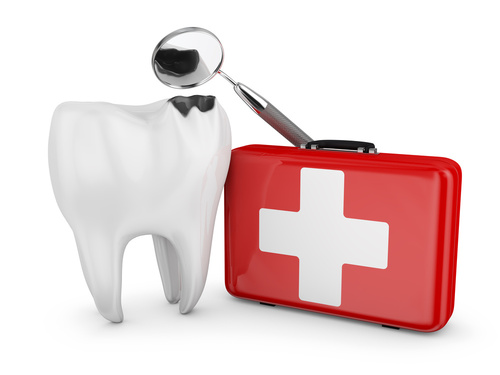
Dental emergencies present in numerous forms, and when children are involved, there’s more worry and concern - it’s just natural. For emergency dental services in Vaughan, Dr. Pedvis can treat a wide range of emergencies, and can provide the urgent care that’s needed immediately.
If a temporary crown comes off, it’s not an emergency. However, it’s important to re-insert the crown manually until you can see the emergency dentist. When re-inserting a crown, it should fit comfortably into place. You can use a prescribed adhesive (short term) and bite down gently so the pressure allows the crown to adhere. Keep everything clean and hygienic until there’s an opportunity to visit the dentist, at which time the crown can be re-fitted and then re-cemented.
Clearly, some oral injuries and conditions are more urgent than others. However, the most sensible approach is not to take chances, and to visit an emergency dentist as soon as possible. If you delay treatment, it can potentially lead to serious complications, and possibly the loss of a tooth (or teeth). While emergency services may cost more than routine services, it’s still important to seek immediate treatment. Overall, regular dental checkups are the best way to be preventive – regular checkups will identify problems at an early stage, and even diagnose problems before they have a chance of escalating and deteriorating.
Tooth infections can be dangerous – especially if left untreated. As an example, a tooth abscess is an infection that has already started to develop. An abscess will not just go away – it requires treatment as soon as symptoms arise. Abscesses can be caused by many things, including an untreated cavity or a tooth injury that hasn’t been properly treated. Symptoms include severe pain and sensitivity to hot and cold.
Patients experiencing tooth pain, sensitivity, or foul taste in the mouth, may well be dealing with an infection that has not been properly treated. At the emergency dentist’s office, an abscess will be drained and the infection will be treated. In severe cases, a decision will be made if a root canal is required in order to save the abscessed tooth. In the most severe of cases, the tooth will have to be removed completely.
Because teeth contain nerves, any type of infection can be extremely painful, especially if the infection is affecting deeper issue. A tooth infection, whether it has become an abscess or not, may cause pain as a symptom – a sign that something is wrong and needs attention. This is not a good time to delay or avoid treatment, but rather a signal that the cause of infection needs to be identified, and properly treated.
There’s no need for a tooth infection to disrupt your day-to-day life. If you’ve noticed symptoms that include pain and sensitivity, it's best to get an immediate diagnosis, and follow-up treatment ASAP. Failing this, a tooth infection can quickly get worse. In terms of a preventive approach, good oral care and hygiene can make a big difference in counteracting the decay and bacteria that cause infections.

Tooth infections can manifest in a number of ways, particularly if your teeth are not well maintained. Starting with an in-depth diagnosis, the dentist will identify the cause of the infection and recommend a treatment protocol. Antibiotics may be prescribed for the infection because they are very effective. While an antibiotic may reduce pain and swelling related to an infection, this is not a complete cure for the infection. As such, root canal treatments are often the answer for an infected or abscessed tooth.
Bacteria cause oral infections, and antibiotics are designed to slow down bacterial growth. The dentist will prescribe an antibiotic that will best fight your infection. Usually, an oral antibiotic is prescribed for a tooth infection. Typically, antibiotics will break down bacteria within 48 hours and symptoms should be improved within 72 hours. For those patients who are allergic to specific antibiotics, there are alternatives. Each prescription will indicate how many times a day and for how long to medicate.
Antibiotics are not designed to relieve pain. When necessary, the dentist may prescribe special pain medication or anti-inflammatory medication, all depending on your condition and extent of pain. The important thing, however, is to get to the root of the infection and begin treatment. As helpful as the antibiotics can be, restorative dental work is needed to reverse the infection, repair damage, and move forward with healthier teeth and gums. Then it’s time to ensure optimum oral health day-to-day.
By nature, oral health problems can be very painful – so much so that emergency care is essential. It’s not a bad idea to have a local 24 hour emergency dentist nearby in mind, but it’s just as important to take preventive steps in order to prevent emergency situations. With teeth, it’s always better to be safe than sorry.
Some dental problems can wait for a routine visit. Others cannot, and knowing the difference matters. If you are searching for 24 hour emergency dentists in the middle of a bad night, these situations should send you straight to us:
If your issue does not match one of these, a regular appointment with our general dentistry team is the better route. As the emergency dentist Vaughan patients reach after hours, we treat every case above as a same-day priority.
Not every dental emergency can be avoided, but several everyday precautions can reduce the risk of sudden pain, broken teeth and preventable injuries:
Keeping our contact information accessible can also save time if an injury occurs. Knowing who to call means you do not have to search for help while you are already in pain.
Going to an emergency dentist near you can reduce the time spent travelling while you are in pain and help you receive an assessment sooner. Prompt care may also limit further damage, particularly when a tooth has been knocked out, a restoration has broken or an infection is causing swelling.
Other benefits include:
Waiting for a routine appointment may allow pain, infection or structural damage to become worse. An emergency dental visit focuses on identifying the source of the problem, controlling immediate symptoms and determining whether the tooth can be repaired or requires further treatment. After the urgent issue has been stabilized, we can explain the recommended follow-up care and help you plan the next stage of treatment.
Call us right away once you suspect you’re having a dental emergency. Rinse gently with warm water and apply a cold compress to swelling. If a tooth has been knocked out, keep it moist, in milk or against your cheek, and get to us quickly, since timing affects whether it can be saved.
If you’re unsure whether your situation requires a visit to an emergency dentist, contact our local dental office in Vaughan and we’ll guide you. Our goal is always to protect your smile and preserve your natural teeth.
For unexpected accidents, mishaps, and emergencies, it’s absolutely critical to call an emergency dentistAnd in most situations, immediate care and attention is essential for a good outcome. In the Vaughan, Maple and Woodbridge area, Dr. Lloyd Pedvis and his dental team provide emergency dentistry in a timely and efficient manner. Whether it’s a tooth gone “bad” or a sports injury, immediate care is key. Dental emergencies occur for a variety of reasons, and with various symptoms. And when pain is associated, everyone has a different threshold. For some patients, a simple toothache might well qualify as an emergency. Here, it would be important to call the dentist, because it may be more serious than not. At the same time, a chipped or broken tooth would definitely be an emergency. | What is considered a dental emergency?If you’re struggling with a dental issue, the dentist should be your very first call. The bigger problem is when an issue occurs on a weekend, holiday, or middle of the night. This is when an emergency dentist near in Vaughan can be valuable. What’s important is to understand the difference between a routine dental issue and a real emergency. If you’re in severe pain, lost a tooth, or experiencing bleeding, these are emergencies. With many dental emergencies, quick treatment can actually save a tooth. However, in any situation, whether it’s a knocked-out tooth or a serious infection, immediate attention is absolutely necessary. |
The Most Common Dental InjuriesWhile getting hurt in sports is sometimes inevitable, a sports injury that involves the teeth and mouth is whole different thing. The good news is that modern dentistry can repair and restore many of the most common injuries. With professional attention, the outcomes are promising. | SEVERE INFECTION/ABSCESSA severe tooth infection or abscess is a condition that requires emergency care. These can even be life-threatening situations, so immediate care is highly recommended. The important thing is to ascertain the source and scope of the infection, and to get things immediately under control. For some patients, a root canal procedure might be required, although this is a multi-step process. Whatever the case, the actual infection or abscess should be addressed ASAP. |
TOOTH INTRUSION
In sports, and especially with a serious blow, a tooth can be driven into the jawbone. Although this injury is less common, a tooth intrusion still requires emergency care. As it is, this type of injury is more common in children, and with their primary teeth, simply because of structure. | |
CRACKED TEETH
A cracked tooth, or fractured tooth, is probably the most common sports injury. This injury is dramatically increased when participants don't wear mouth guards. With immediate care, teeth can be physically repaired and restored. Without - long-term problems can develop quickly. With a chipped or cracked tooth, it’s best to seek immediate dental care. In less severe situations, the dentist may simply smooth out a chip, or add filling material to repair the damage. A severe crack or fracture may not have a successful outcome. Usually, an X-Ray can properly diagnose the severity of the condition. While the dentist will make every effort to save a tooth, if the tooth can’t be saved, you will be informed of various options for replacement. | |
KNOCKED-OUT TOOTHA knocked-out tooth is an emergency. With appropriate measures, chances are good that the tooth can be successfully reinserted and preserved. If your tooth is knocked out, pick it up without touching the root. Rinse the tooth gently – and where possible place the tooth back in the socket. If the tooth cannot be placed back, the tooth can be dropped into a cup of milk. Here, immediate medical attention is key – the longer you wait, the less chance of saving the tooth. | LOOSE TOOTH/MISALIGNMENTIf you have a tooth that is out of alignment or loose, you should consider this an emergency. In an effort to save the tooth, you can put the tooth back into its original position, but with great care. Do not force the tooth back into position - you might try to bite down on the tooth to keep it from moving around. When you do get to your dentist for an emergency appointment, a “splint” may be used to keep the loose tooth stabilized alongside the adjacent teeth. |
FRACTURED ROOTWhen a tooth injury is serious, it can cause a fractured root. Sometimes, fractures are invisible, and if left unattended can develop into infection. The sooner a root fracture receives attention, the better (like root canal therapy). Anything less could potentially lead to future tooth loss. | TISSUE INJURY/FACIAL PAINAn injury inside the mouth should be considered a dental emergency. This would include punctures or lacerations inside the cheeks, mouth, and tongue. Tissue injuries, with or without bleeding, should be attended to immediately. While waiting for emergency care, facial pain can be relieved by taking OTC acetaminophen (according to the package instructions). Neither aspirin nor ibuprofen should be taken for this type of dental emergency (can cause bleeding). |
VISIT THE DENTIST REGULARLYWhen your teeth are kept healthy, they are stronger and less likely to be damaged or infected. Regular visits to a dentist in Vaughan are the best way to maintain oral health and identify problems at an early stage. | PROTECTION DURING SPORTSWithout the proper protection, sports injuries can include cracked, chipped, or even lost teeth. In any sport, it’s wise to wear a customized mouth-guard in order to protect the teeth and gums from injury. |
DON’T EAT ANYTHING HARDBiting down on a hard candy, or chewing a pencil, can easily cause a tooth to crack or chip. Chewing on hard ice, another bad habit can actually chip away at the tooth enamel, leading to tooth sensitivity. | TEETH ARE NOT SCISSORSTeeth should not be used for opening packages or bags. Unfortunately, many people will bite down on various things to open them – this can potentially damage a tooth, loosen a tooth, or even crack a tooth. |
EATING A HEALTHY DIETA good, healthy diet can remineralize your teeth, strengthening them against possible damage. A good diet is sure to keep your teeth strong, while fighting off decay. A bad diet will simply do the opposite. | BRUSHING/FLOSSINGRegular brushing and flossing will keep teeth in optimum condition, helping to prevent decay, and therefore preventing dental emergencies that may be caused by poorly maintained, unhealthy teeth. |

Find out how Mackenzie Dental Centre can help you achieve your greatest smile.
Our Location
Proudly serving:
Woodbridge, Vaughan